

Coffee Table Singapore: The Complete Buyer's Guide (2026)
Coffee Table Singapore: The Complete Buyer's Guide for HDB & Condo Homes
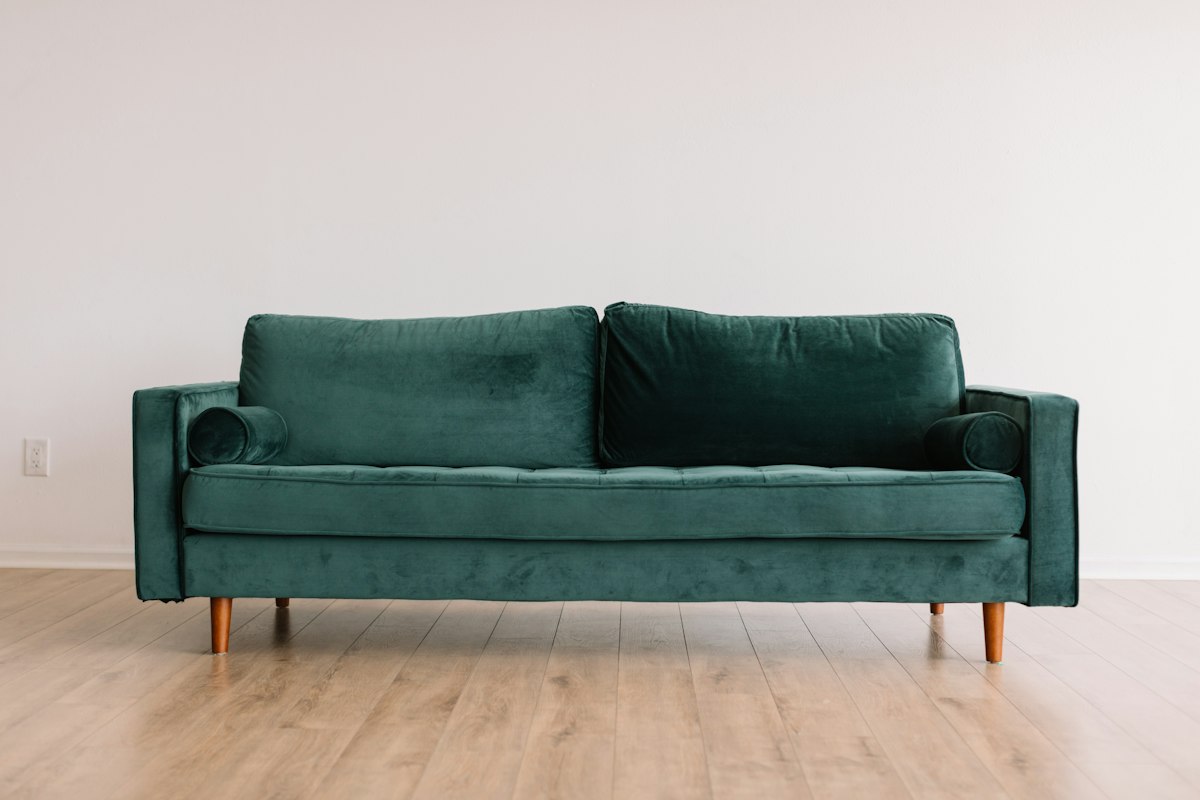
Buying a coffee table in Singapore is deceptively complex — get the size, material, or height wrong, and a beautiful piece will make your living room feel cramped, dated, or perpetually damp. Singapore's humidity, compact HDB floor plates, and open-plan condo layouts each demand different considerations that most generic buying guides simply skip. This guide gives you everything you need to choose a coffee table that genuinely works for your space, your lifestyle, and Singapore's climate.
Quick Answer: What to Look for in a Coffee Table in Singapore
- Size rule: Your coffee table should be two-thirds the length of your sofa — for a typical 3-seater (210–220 cm), aim for a table around 120–140 cm long.
- Height rule: Keep the tabletop within 5 cm of your sofa's seat height — the Singapore standard sofa sits at 40–45 cm, so target a coffee table at 38–48 cm tall.
- Best materials for Singapore humidity: Sintered stone and solid hardwood (with proper finishing) outperform glass and untreated marble in high-humidity conditions.
- HDB living rooms average 15–20 sqm — a round or oval coffee table maximises flow and reduces corner injuries in tighter spaces.
- Extendable coffee tables are worth considering in dual-purpose rooms where the living area doubles as a dining or work zone.
Stat: According to interior design surveys, the coffee table is the single most-replaced furniture piece in Singapore homes within the first three years — most often due to incorrect sizing or material choices.
Those five points answer the surface-level question. But once you've measured your space and shortlisted a material, a harder decision emerges: which specific combination of form, finish, and function will still look premium in five years — and survive Singapore's heat, humidity, and the inevitable mug ring? That's where most buyers stall. The good news is that the answer follows a clear logic, and we'll walk you through it.
Types of Coffee Tables Available in Singapore
The Singapore market has matured considerably over the past decade. What was once a category dominated by basic tempered glass and MDF veneer now spans genuine stone, reclaimed timber, architectural sintered stone, and artisan rattan. Understanding what each material actually delivers — beyond how it looks in a showroom — is the first step to a purchase you won't regret.
Marble Coffee Tables
Marble remains the aspirational choice for Singapore's luxury condo market, and for good reason. A well-chosen marble slab brings natural veining, genuine weight, and a timeless visual anchor to any living room. Italian Calacatta and Greek Volakas are the most popular imports, with Calacatta's bold grey-gold veining suiting contemporary interiors and Volakas' fine white-grey pattern working beautifully in minimalist or Japandi spaces.
The honest caveat: natural marble is porous. In Singapore's humidity, an unsealed or poorly sealed marble top will absorb condensation from cold glasses, develop micro-staining, and — over years — show etching from acidic liquids. If you're committed to marble, insist on a manufacturer-applied penetrating sealer and plan to reseal annually. Alternatively, consider marble-look sintered stone, which gives you the aesthetic without the maintenance obligation.
Browse Radical Homes' marble and stone coffee table collection to see current Singapore-available options with professional finishing.
Sintered Stone Coffee Tables
Sintered stone — sold under brand names like Dekton, Neolith, and various house-brand equivalents — has become the material of choice for discerning Singapore buyers who want the look of marble or concrete with none of the fragility. It is produced by fusing natural minerals under extreme heat and pressure, resulting in a non-porous, scratch-resistant, UV-stable surface that performs exceptionally well in Singapore's climate.
Sintered stone coffee tables handle condensation, direct sunlight near windows, and the occasional hot mug without complaint. The surface cannot be etched by acids, stained by red wine, or warped by humidity. For Singapore living rooms that see heavy daily use, sintered stone is arguably the most pragmatic premium choice on the market today.
Solid Wood Coffee Tables
Solid wood brings warmth, texture, and a natural imperfection that no engineered surface can fully replicate. In Singapore, the most resilient species for coffee tables are teak, acacia, and rubber wood — all dense-grained hardwoods that handle humidity better than softwoods or engineered wood products. Reclaimed teak, in particular, has already stabilised through decades of exposure and is remarkably resistant to expansion and contraction.
The critical distinction is solid wood versus wood veneer. Veneer products — even high-quality ones — will eventually delaminate or bubble in Singapore's humidity, particularly if positioned near air-conditioning units that cycle between cold and warm. Solid wood, properly oiled or lacquered, simply ages rather than degrades. Radical Homes' solid wood coffee tables are built from responsibly sourced hardwoods with humidity-resistant finishing as standard.
Glass Coffee Tables
Tempered glass coffee tables have a clarity and lightness that makes small Singapore living rooms feel larger — a genuine spatial advantage in HDB flat configurations. The visual "negative space" beneath a glass top means the eye travels through rather than stopping at the furniture piece, reducing visual clutter in tight rooms.
The trade-off is purely practical: glass shows every fingerprint, condensation ring, and dust particle. In a household with young children or heavy daily use, the cleaning burden becomes significant. Smoked or bronzed glass variants hide marks better than clear glass and are worth the slight premium if a glass table is your preference.
Rattan Coffee Tables
Rattan and woven natural fibre coffee tables have surged in popularity as Singapore's design scene has embraced Tropical Coastal and Wabi-Sabi aesthetics. Rattan is naturally humidity-resistant — it's a climbing palm species that evolved in humid tropical environments — and a well-made rattan coffee table will outlast most synthetic alternatives in the Singapore climate.
Rattan works best in spaces with a relaxed, organic visual language. It pairs particularly well with linen sofas, solid timber floors, and indoor plants. For more contemporary or formal interiors, a rattan coffee table may introduce too much textural contrast to sit comfortably.
Extendable Coffee Tables
In Singapore's compact living rooms, an extendable coffee table solves a genuine problem: the room that needs to function as both a relaxed lounge space and an impromptu dining or work surface. Modern extendable designs — particularly lift-top variants — can raise the tabletop to dining height and extend the surface area significantly, without requiring a dedicated dining table in the same room.
This is a particularly relevant category for HDB living rooms under 18 sqm where a separate dining area simply isn't viable. Build quality matters significantly here — the mechanism should feel solid, not plasticky, and the extended position should be stable enough for actual use.
How to Size a Coffee Table for Singapore Living Rooms
Sizing is where most Singapore buyers go wrong. The instinct is to buy big — a substantial coffee table looks impressive in a showroom — but the showroom floor is not your living room, and scale reads very differently at home.
The Two-Thirds Rule
The most reliable sizing formula: your coffee table length should be approximately two-thirds the length of your primary sofa. A standard 3-seater sofa in Singapore runs 210–230 cm; by this rule, your coffee table should sit in the 130–150 cm range. Anything longer risks blocking traffic flow; anything shorter looks visually unmoored.
Clearance Distances
Leave a minimum of 40–45 cm between your sofa's front edge and the coffee table. This is the ergonomic minimum for a comfortable knee-to-table reach while seated. For living rooms with a TV console at the opposite end, leave 90–100 cm between the far edge of the coffee table and the wall or console — enough for a person to walk through comfortably.
HDB vs Condo Configurations
A typical HDB living room in a 4-room flat runs approximately 15–17 sqm with a roughly square or slightly rectangular floor plate. In this context, a round or oval coffee table in the 80–100 cm diameter range often works better than a large rectangular piece — it occupies less visual space, has no corners to catch passing legs, and leaves more breathing room around the sofa grouping. Condo living rooms in newer developments tend to be narrower and longer, which suits a rectangular table in the 100–130 cm range with the long axis aligned with the sofa.
Coffee Table Height: Getting the Ratio Right
Coffee table height is the most consistently overlooked measurement in Singapore furniture buying, and getting it wrong produces a room that feels subtly awkward even if buyers can't immediately identify why. The ergonomic principle is straightforward: the coffee table surface should sit between 2.5 cm below and 5 cm above the sofa's seat height.
Most Singapore sofas have a seat height of 40–45 cm. This puts the ideal coffee table height at 38–50 cm. Tables under 35 cm require an uncomfortable forward lean to reach; tables over 52 cm start to feel like a dining table in a living room context. If you're purchasing a custom or imported sofa with an unusual seat height — particularly low-slung designer pieces — measure carefully before committing to a standard table height.
Material Comparison: Which Coffee Table Survives Singapore Best?
With Singapore's year-round humidity sitting between 70–85% and temperatures averaging 26–32°C, material performance in-situ matters as much as aesthetics. Here is a direct comparison of the four primary premium options:
| Material | Humidity Resistance | Scratch Resistance | Maintenance Level | Longevity (Singapore) | Best For |
|---|---|---|---|---|---|
| Natural Marble | Moderate (porous — requires sealing) | Moderate | High (annual resealing) | 10–20 years with care | Low-use formal living rooms |
| Sintered Stone | Excellent (non-porous) | Excellent | Low (wipe-clean) | 20+ years | Families, daily-use rooms |
| Solid Hardwood | Good (species-dependent) | Good | Low-Medium (annual oiling) | 20–40 years | Warm, organic interiors |
| Tempered Glass | Excellent (non-porous) | Poor (scratches easily) | High (shows every mark) | 10–15 years | Small rooms needing visual space |
Style Pairings: Which Coffee Table Matches Your Sofa?
A coffee table and sofa that don't speak the same design language will produce a living room that feels assembled rather than designed. These pairings hold consistently across Singapore interior projects:
Fabric or linen sofa (Japandi / Scandi aesthetic): A solid oak or walnut coffee table with clean lines and minimal hardware. Avoid heavy industrial metal frames — they clash with the softness of fabric upholstery. Natural stone in a light-toned sintered stone or honed travertine also works beautifully here.
Leather sofa (Contemporary / Modern Classic): Marble or sintered stone tops on a brushed brass or matte black metal frame. The contrast between leather's warmth and stone's cool precision creates visual tension that reads as sophisticated rather than mismatched.
Modular sectional (Modern Luxury / Maximalist): A large-format rectangular sintered stone or marble table with substantial visual weight. Sectionals are dominant pieces — a coffee table needs enough presence to hold its own without being overwhelmed.
Rattan or cane sofa (Tropical Coastal / Boho): A matching rattan coffee table, or a solid wood piece in a warm honey or teak finish. Glass or marble would feel tonally inconsistent against natural fibre upholstery.
Velvet sofa (Art Deco / Glam): A glass-top table on a gold or brass geometric frame, or a marble top in a dramatic dark veining (Nero Marquina, Black Saint Laurent). The richness of velvet deserves a coffee table with equal luxuriousness.
Where to Buy a Coffee Table in Singapore: A Balanced View
Singapore's coffee table market spans a wide range of price points and quality tiers. IKEA's LACK and HEMNES ranges remain the default entry-level option — functional, affordable, but built to a budget with veneer surfaces that show their age in Singapore's humidity within a few years. Castlery sits a tier above, with cleaner Scandinavian-influenced designs and generally solid construction, though customisation is limited and delivery lead times can stretch. FortyTwo operates primarily online with competitive pricing on mid-range pieces, and their range is broad if inconsistent in quality. Urban Mood offers a curated selection of modern and designer-influenced furniture with generally good fit-and-finish.
For buyers seeking genuine customisation — specific dimensions for an unusual living room layout, a bespoke material pairing, or a design that doesn't exist in any standard catalogue — these options have natural limits. Radical Homes positions itself in the custom luxury tier, building pieces to client specification with materials sourced to Singapore climate standards. The price point is higher, but so is the longevity and the confidence that the table was made for your room, not a generalised market.
Disclaimer: Urban Mood, FortyTwo, IKEA, and Castlery are independent retailers mentioned here for comparative context. Radical Homes has no affiliation with these brands. All product assessments are based on general market observation.
Conclusion: The Right Coffee Table Is the One Built for Your Life
The ideal coffee table for a Singapore home isn't the one with the most impressive showroom presence — it's the one that fits your floor plan, survives your climate, matches your sofa, and holds up to your daily reality. Get the size right first (two-thirds your sofa length, 40 cm clearance). Choose a material that honest about how much maintenance you'll realistically do. Match the visual language to your upholstery. And if the standard catalogue doesn't offer what you need, consider a custom-built piece that was designed around your space from the start.
Radical Homes designs and builds custom coffee tables for Singapore HDB and condo living rooms — marble, sintered stone, solid hardwood, or a combination of materials — with lead times and specifications that match your project timeline. Explore the coffee table collection at radicalhomes.sg or get in touch to discuss a bespoke commission.
Frequently Asked Questions
What size coffee table should I get for a typical 4-room HDB living room in Singapore?
For a standard 4-room HDB living room (approximately 15–17 sqm), the most practical approach is a rectangular coffee table in the 100–130 cm length range, or a round table with an 80–100 cm diameter. Follow the two-thirds rule: your table should be about two-thirds the length of your sofa. Leave at least 40–45 cm of clearance between the sofa's front edge and the table, and 90 cm between the far edge of the table and the opposite wall or TV console to maintain comfortable traffic flow. In tighter configurations, a round or oval table is preferable to rectangular as it eliminates sharp corners and reduces the visual footprint.
Is marble a good choice for a coffee table in Singapore's humid climate?
Marble can work in Singapore, but it requires more maintenance than most buyers expect. Natural marble is porous, which means it will absorb condensation from cold drinks, become susceptible to staining from acidic liquids, and gradually develop surface etching if not properly sealed and maintained. In Singapore's humidity (typically 70–85% year-round), an unsealed marble top will show marks and micro-staining within months. If you love the marble aesthetic, insist on a professional penetrating sealer applied at manufacture, and plan to reseal annually. Alternatively, sintered stone offers an identical marble-look with none of the porosity or maintenance demands — it's a more pragmatic choice for high-use Singapore living rooms.
How tall should a coffee table be relative to my sofa in Singapore?
The standard guideline is that your coffee table surface should sit within 2.5–5 cm of your sofa's seat height. Most Singapore sofas have a seat height of 40–45 cm, which puts the ideal coffee table height between 38 and 50 cm. A table lower than 35 cm requires an uncomfortable forward lean to reach comfortably; a table above 52 cm starts to feel more like a dining surface than a coffee table. If you've purchased a low-slung designer sofa with an unusually low seat height, measure carefully before selecting a standard-height table — the proportion will look and feel off if the heights are significantly misaligned.
What is the difference between sintered stone and marble for a coffee table, and which is better for Singapore homes?
Natural marble is a quarried stone with a unique veining pattern formed over millions of years — it's genuinely beautiful, but porous and susceptible to staining, etching, and moisture absorption. Sintered stone (sold under names like Dekton and Neolith) is an engineered material produced by fusing natural minerals under extreme heat and pressure. The result is non-porous, scratch-resistant, UV-stable, and acid-resistant — all properties that make it significantly more resilient in Singapore's humid, high-temperature environment. Sintered stone surfaces can closely mimic marble aesthetics, including detailed veining patterns, at a performance level natural marble cannot match. For a heavily used living room coffee table in Singapore, sintered stone is the more practical premium choice. For a low-use formal space where the visual uniqueness of natural stone is the priority, sealed marble remains a compelling option.
Where can I buy a custom coffee table in Singapore that fits non-standard living room dimensions?
For non-standard living room dimensions — unusually narrow layouts, L-shaped spaces, or rooms where a standard catalogue size simply won't work — a custom-made coffee table is the most reliable solution. Radical Homes (radicalhomes.sg) specialises in custom luxury furniture built to client specifications, including coffee tables in marble, sintered stone, solid hardwood, and mixed materials. The process involves a design consultation to confirm dimensions, materials, and finish, with the piece built specifically for your space. For Singapore buyers who want both premium quality and an exact fit, a bespoke commission is often more cost-effective in the long run than purchasing multiple off-the-shelf pieces that never quite work.