

Japandi Interior Design Singapore: How to Achieve the Look in Your
Japandi Interior Design Singapore: The Complete Guide for HDB & Condo Homes
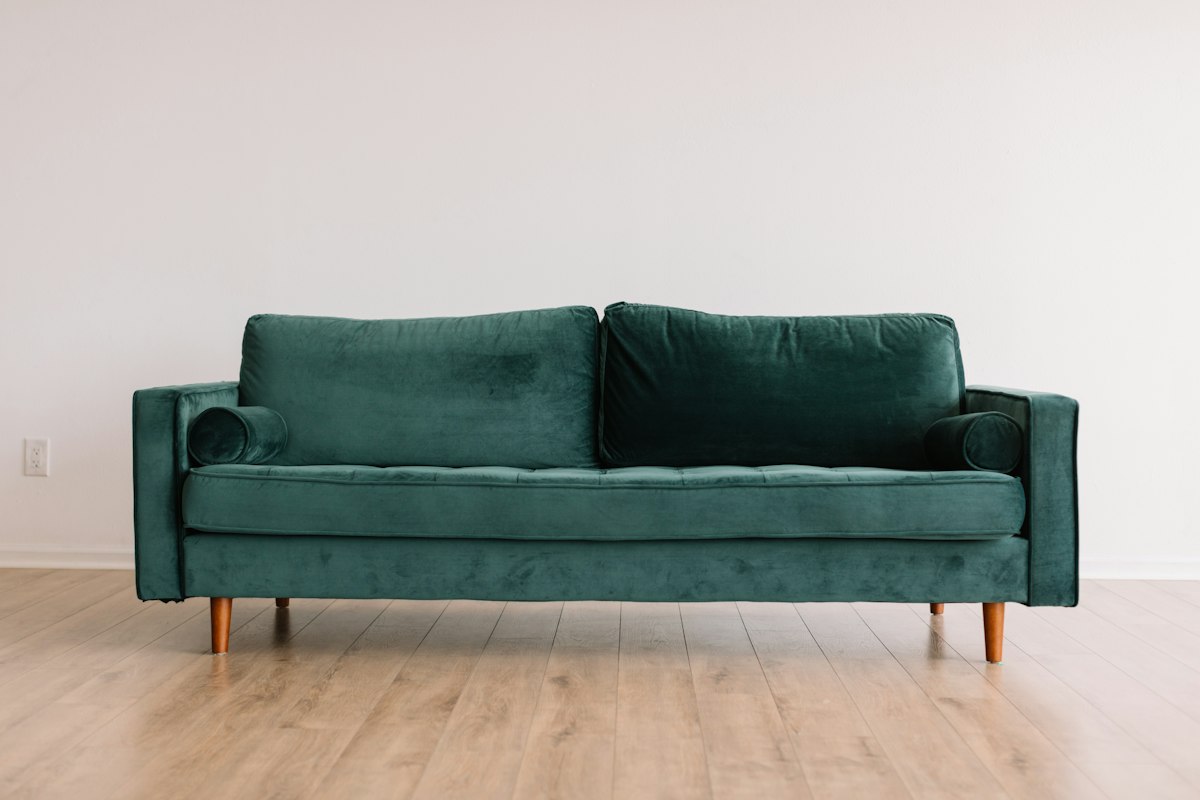
Japandi interior design has become Singapore's most sought-after home aesthetic — a philosophy that fuses Japanese wabi-sabi with Scandinavian hygge to create spaces that feel profoundly calm, uncluttered, and beautifully liveable. For Singapore homeowners navigating compact HDB layouts and humid tropical conditions, Japandi is not merely a trend; it is the most intelligent design framework available. Done correctly, it transforms even a 4-room flat into a sanctuary that rivals a boutique Kyoto ryokan.
Quick Answer: What Is Japandi Interior Design in Singapore?
- Japandi blends Japanese minimalism and wabi-sabi philosophy with Scandinavian warmth, natural materials, and functional simplicity.
- It suits Singapore homes exceptionally well — the neutral palette, low-profile furniture, and clutter-free layout maximise small HDB and condo spaces.
- Key elements include natural wood, linen textiles, rattan, ceramic accents, a warm neutral colour palette, and furniture that serves a clear purpose.
- Singapore's humidity calls for treated solid wood species (teak, ash, white oak) and breathable natural fabrics rather than synthetic alternatives.
- Custom solid wood furniture from local specialists ensures longevity and precise fit — critical in Singapore's space-constrained market.
📊 Stat: Searches for "japandi interior design singapore" grew over 180% between 2022 and 2025, reflecting a sustained shift away from maximalist and fast-furniture aesthetics. (Google Trends)
So yes — Japandi works. But knowing what the style looks like and knowing how to execute it properly in a Singaporean home are two entirely different things. The wrong materials warp in our humidity. The wrong furniture scale makes a condo feel like a storage unit. And a poorly sourced piece from a mass-market retailer will undercut every careful decision you've made. The difference between a Japandi home that photographs beautifully and one that actually lives beautifully comes down to craft, material intelligence, and custom-fit scale — and that gap is exactly where most Singapore homeowners get stuck.
What Exactly Is Japandi Style?
Japandi is a portmanteau of Japanese and Scandinavian, but it is far more than a visual blend of two national aesthetics. It is a convergence of two parallel philosophies about how humans should relate to the objects in their homes. Japanese wabi-sabi teaches us to find beauty in imperfection, impermanence, and incompleteness — a handmade ceramic with an irregular rim, a dining table with visible wood grain, an aged linen cushion that softens with each wash. Scandinavian hygge, by contrast, centres on cosiness, human warmth, and the quiet pleasure of functional objects.
Where these two traditions meet, you find Japandi: deeply functional furniture with warm, handcrafted character; spaces stripped of ornamentation but never stripped of soul. There is no clutter, but there is texture. There is restraint, but there is warmth. It is the anti-thesis of show-home sterility, and that is precisely why it resonates so deeply with homeowners who are exhausted by excess.
The Core Principles of Japandi Design
Wabi-sabi over perfection. Japandi spaces embrace natural imperfection — the knot in a timber tabletop, the slight variation in a hand-thrown ceramic bowl, the organic edge of a rattan pendant shade. These are not flaws; they are evidence of craft and material authenticity. In practice, this means resisting the urge to match everything precisely and instead building a room around materials that develop character over time.
Functional beauty. Every object earns its place by serving a purpose. Japandi interiors have no purely decorative clutter. A timber side table is also a storage surface. A low-profile sofa doubles as a daybed in a compact living room. A ceramic vessel holds dried pampas grass. When every item has a reason to exist, the room achieves a quiet, purposeful energy that mass-produced interiors simply cannot replicate.
Natural materials, always. Japandi does not do synthetic. Solid wood, linen, cotton, rattan, jute, stone, and ceramics are the material language of this aesthetic. The preference for natural materials is not purely visual — there is a sensory dimension to it. The weight of a solid timber dining chair, the drape of a linen curtain, the cool smoothness of a stoneware mug — these textures anchor you in the physical world in a way that engineered materials cannot.
A warm neutral palette. Japandi is not cold white minimalism. The palette leans towards warm off-whites, soft greiges, stone, clay, sage, and the warm amber tones of natural wood. Deep muted accents — charcoal, forest green, navy — are introduced sparingly through ceramics, cushions, or a single statement piece of furniture. This restraint is intentional: the materials themselves supply the visual interest, not colour.
Japandi in Singapore: Why It Works So Well
Singapore presents a unique design challenge. The vast majority of residents live in HDB flats ranging from 65 to 110 square metres, or condominiums where open-plan living, dining, and kitchen layouts are squeezed into similar footprints. The tropical climate — perpetually warm, humid, and bright — means that certain materials and design choices common in European interiors simply do not translate.
Japandi, paradoxically, is among the most Singapore-compatible design philosophies available. Here is why.
Scale and Space Efficiency
The Japandi preference for low-profile furniture is, in a Singapore HDB context, a genuine spatial hack. A low-slung solid wood sofa with exposed legs creates visual breathing room, making a 4-room living area feel substantially larger than it is. A platform bed frame at 35 cm off the ground, rather than a bulky Western-style bed with a high headboard, dramatically changes the perceived ceiling height of a standard HDB bedroom. The Japanese tradition of living closer to the ground is not an affectation here — it is good interior design for compact spaces.
Humidity and Material Selection
Singapore's average relative humidity hovers between 70% and 80%, which is actively hostile to poorly treated timber, MDF furniture with paper veneers, and synthetic fabrics that trap heat. Japandi's insistence on quality natural materials, properly selected and finished, is actually a functional advantage in our climate. Solid teak, white oak, and ash — particularly when finished with natural oils rather than thick lacquers — are dimensionally stable in humidity and develop a beautiful patina over time. Linen and cotton breathe. Rattan, traditionally woven by hand, handles tropical conditions better than most people expect when it is kept out of direct air-conditioning drafts.
Contrast this with flat-pack furniture built on MDF cores: the laminate peels in humid conditions, the joints weaken, and within three to five years the piece looks its age. Custom solid wood furniture, by contrast, is a one-time investment that outlasts the home renovation cycle entirely.
The Minimalism Dividend
Decluttering is not merely an aesthetic choice in a Singapore apartment — it is a quality-of-life decision. A Japandi approach to a 4-room HDB is not about having less; it is about having the right things, placed with intention. Built-in storage in warm timber tones, open shelving styled with a handful of ceramic vessels and one trailing plant, a dining table that seats exactly the household's needs — this is purposeful abundance, not deprivation.
Key Japandi Furniture Pieces for Singapore Homes
Low-Profile Sofas
The centrepiece of a Japandi living room is almost always a low-profile sofa in a natural linen or bouclé fabric, ideally on a solid timber frame with exposed legs. Seat heights between 38–42 cm signal Japandi's Japanese influence while remaining comfortable for daily use. Avoid sofas with thick, boxy arms — the silhouette should feel open and undemanding.
Solid Wood Dining Tables
A solid wood dining table is arguably the single most important investment in a Japandi home. In Singapore's dining-centric culture, the table is both functional hub and social centrepiece. Look for tables in white oak, ash, or teak with visible grain, a natural oil or matte lacquer finish, and a profile that doesn't dominate a compact dining space. Radical Homes' solid wood dining collection is built to precise Singapore condo dimensions — a detail that matters enormously when your dining area is 2.4 metres wide.
Bedroom Furniture: Platform Beds and Timber Frames
A Japandi bedroom is a study in restraint. A low platform bed frame in natural timber, a single bedside table with one drawer, a small ceramic lamp, and linen bedding in off-white or warm grey — that is the complete picture. The visual simplicity is the point: the bedroom exists for rest, and everything in it should serve that single purpose. Explore Radical Homes' bedroom furniture collection for platform frames and bedside tables crafted for Singapore's standard bedroom dimensions.
Rattan, Ceramic, and Textile Accents
The finishing layer of a Japandi interior is where personality enters. Hand-woven rattan pendant lights (warm bulb, 2700K) cast the amber glow that transitions a Japandi room from daytime minimalism to evening hygge. Ceramic vessels — hand-thrown, matte-glazed, irregular — make excellent shelf accents. Linen cushion covers and cotton throws introduce texture without visual noise. One or two potted plants in ceramic pots (monstera, snake plant, or a trailing pothos) complete the natural material palette without demanding maintenance.
Japandi vs. Scandi vs. Minimalist: Understanding the Differences
These three aesthetics are frequently conflated, but they have meaningfully different design intentions. Understanding the distinctions will help you communicate clearly with your ID and source furniture that genuinely fits the brief.
| Feature | Japandi | Scandinavian | Minimalist |
|---|---|---|---|
| Philosophy | Wabi-sabi + hygge; functional beauty | Cosy functionality; democratic design | Less is more; visual silence |
| Colour palette | Warm neutrals, muted deep accents | Light whites, pastel accents, bright pops | White, black, grey — near monochrome |
| Materials | Solid wood, linen, rattan, ceramic, stone | Light wood, wool, cotton, some plastic | Varied; often includes metal, glass, lacquer |
| Texture | Rich — wood grain, weave, glaze variation | Moderate — textiles, some natural wood | Deliberately reduced; smooth surfaces |
| Furniture profile | Low, close to ground, Japanese influence | Standard height, clean lines | Varied; emphasis on form over function |
| Warmth | High — sensory, grounding, inviting | High — cosy, playful, social | Low — can feel cold or clinical |
| Singapore suitability | ⭐⭐⭐⭐⭐ Excellent | ⭐⭐⭐⭐ Good with adaptation | ⭐⭐⭐ Good but can feel harsh |
How Does Radical Homes Compare to Other Singapore Furniture Options?
Singapore's furniture market includes several well-known retailers, and it is worth understanding where each sits. Castlery offers a polished, contemporary Scandinavian aesthetic at accessible mid-market price points — it is a capable option for those prioritising style consistency over material depth. IKEA remains the entry-level benchmark for flat-pack Scandi-adjacent furniture; the quality is broadly what you pay for, and the mass-produced uniformity works against the wabi-sabi character at the heart of Japandi. Urban Mood occupies a similar mid-range position with a broader mix of styles, and is a reasonable starting point for accent pieces.
Where Radical Homes distinguishes itself is in the custom solid wood proposition: furniture crafted to your exact room dimensions, in the timber species and finish you specify, built to last decades rather than renovation cycles. For homeowners who are serious about a genuine Japandi interior — where material authenticity and precise fit are non-negotiable — custom is the correct answer, and Radical Homes is built specifically for that brief.
Disclaimer: Castlery, IKEA, and Urban Mood are independent brands referenced for informational comparison purposes only. Radical Homes has no affiliation with these brands, and this comparison reflects general market observations rather than a formal product evaluation.
How to Start Your Japandi Interior Design Journey in Singapore
The most common mistake Singapore homeowners make when attempting Japandi is starting with accessories rather than architecture. A few rattan baskets and a linen throw on a laminate sofa does not make a Japandi room. The approach must be foundational: begin with the large pieces — sofa, dining table, bed frame — in quality natural materials and the right scale for your space. Everything else layers on top.
Start by decluttering aggressively. Japandi demands that every object earn its place. Before you buy anything new, edit what you already own. Then establish your material palette: choose one primary timber species (white oak is the most versatile for Singapore's neutral light), one textile material (linen is the workhorse of Japandi), and one accent material (ceramic, rattan, or stone). Work within that palette consistently, and the room will cohere naturally.
For Singapore HDB homeowners, built-in joinery in a warm timber finish is the single highest-impact investment — it resolves storage without visual clutter and sets the material tone for the entire flat. Pair this with one or two investment furniture pieces in solid wood, and you have the bones of a Japandi interior that will age gracefully for years.
Explore Radical Homes' full furniture collection to find solid wood pieces designed specifically for Singapore HDB and condo dimensions.
The Case for Japandi in a Singapore Home
Japandi interior design is not a trend that will be superseded by the next aesthetic cycle. It is a considered response to how people actually want to live — with less noise, more intention, and objects that age well. For Singapore homeowners, it is also a pragmatic response to the realities of compact living, humid conditions, and the desire for a home that functions as a genuine refuge from a fast-paced city.
The investment case is straightforward: one solid wood dining table built to your dining room's exact dimensions, finished in a natural oil to weather Singapore's humidity, will outlast five flat-pack alternatives and still look better in twenty years than it does today. That is the Japandi promise — slow, beautiful, and built to last.
If you are ready to bring Japandi home, browse Radical Homes' collection of custom solid wood furniture in Singapore — crafted for the homeowners who choose things once and choose them well.
Frequently Asked Questions
What is Japandi interior design and why is it so popular in Singapore right now?
Japandi is a design philosophy that fuses Japanese minimalism and wabi-sabi — the art of finding beauty in imperfection and impermanence — with Scandinavian hygge, a concept of warmth, cosiness, and functional simplicity. The result is an interior style built around natural materials (solid wood, linen, rattan, ceramics), a warm neutral colour palette, low-profile furniture, and a rigorous commitment to keeping only what is useful and beautiful. It has become exceptionally popular in Singapore because it aligns naturally with compact HDB and condo living, suits our tropical humidity when the right materials are selected, and offers a meaningful antidote to the clutter and visual noise that accumulates in busy city apartments.
How do I achieve a Japandi look in a small Singapore HDB flat without making it feel sparse or cold?
The key is to distinguish between minimalism and warmth — Japandi is not about empty rooms; it is about rooms where every object earns its presence. In a small HDB, start by selecting low-profile furniture in solid timber (a platform bed, a low sofa with exposed legs) to maximise perceived ceiling height and floor area. Build warmth through texture: linen cushion covers, a cotton throw, a hand-thrown ceramic vessel on a shelf. Choose a warm neutral wall colour (warm white, soft greige, clay) rather than cool grey or stark white. One or two trailing plants in ceramic pots complete the natural material palette. The warmth in Japandi comes from material quality and texture layering — not from additional objects.
What furniture materials work best for Japandi in Singapore's humidity and tropical climate?
Singapore's relative humidity of 70–80% is the primary constraint for furniture material selection. For timber, solid teak, white oak, and ash — finished with a natural penetrating oil rather than a thick lacquer — are the most stable choices. These species are dimensionally resilient in humid conditions and develop an attractive patina over time. Avoid furniture built on MDF or particleboard cores with paper or foil veneers; these absorb moisture, delaminate, and degrade quickly in Singapore's climate. For textiles, linen and cotton are breathable and durable; they are far more appropriate than synthetic velvet or polyester blends that trap heat and wear poorly. Rattan handles Singapore humidity well when kept away from direct air-conditioning airflow, which can cause it to dry and crack.
Is Japandi interior design expensive to implement in a Singapore condo renovation?
The initial investment in quality Japandi furniture — particularly custom solid wood pieces — is higher than fast-furniture alternatives, but the long-term cost is significantly lower. A solid timber dining table from a specialist like Radical Homes will last twenty to thirty years and appreciate visually as it ages; the equivalent flat-pack alternative typically needs replacement within five to seven years. For a Singapore condo, a pragmatic Japandi approach focuses the budget on two or three investment pieces (dining table, sofa, bed frame) in quality solid wood and natural fabrics, and keeps accent pieces — ceramics, linen cushions, rattan lights — relatively modest. Renovation costs depend on the scope of built-in joinery, which is where a Singapore Japandi interior typically concentrates spend for maximum impact.
Where can I buy authentic Japandi furniture in Singapore that is custom-made for HDB and condo dimensions?
Radical Homes (radicalhomes.sg) specialises in custom solid wood furniture built to the precise dimensions of Singapore HDB and condo spaces. Their dining, living, and bedroom collections are crafted in natural timber species — white oak, teak, ash — with finishes suited to Singapore's humid conditions. Because each piece is made to order, you are not constrained by showroom dimensions that were designed for larger Western homes. For homeowners who want a genuine Japandi interior — where material quality, correct scale, and lasting craftsmanship are non-negotiable — custom furniture is the correct approach, and Radical Homes is built specifically for that market.