

Marble Dining Table Singapore: The Complete Buyer's Guide (2026)
Singapore homeowners are increasingly choosing the marble dining table as the centrepiece of their dining space — and it's easy to see why. Whether you're furnishing a sleek Bishan condo or a landed home in Bukit Timah, a marble dining table instantly elevates the room, pairing timeless luxury with everyday function. The challenge lies in navigating the wide range of materials, sizes, and price points available in the Singapore market.
Quick Answer
- Best material for Singapore: Sintered stone or sealed Carrara marble offer the best balance of aesthetics and durability in our humid climate
- Typical price range: SGD 800–5,000+ depending on material, size, and base type
- Best sizes for HDB: 1.2m–1.4m seats 4–6; for condos/landed, 1.6m–2.0m seats 6–8
- Maintenance tip: Seal natural marble every 6–12 months; sintered stone needs only basic wipe-down care
- Top style trends in 2026: Fluted bases, round tables for compact spaces, and mixed marble-wood combinations
That quick snapshot covers the basics — but choosing the right marble dining table for your Singapore home goes deeper than material and size alone. The table you select will anchor your dining room for years, so understanding what separates a truly premium piece from a convincing imitation is worth the extra ten minutes of reading.
Natural Marble vs Engineered Stone: What Singapore Buyers Need to Know
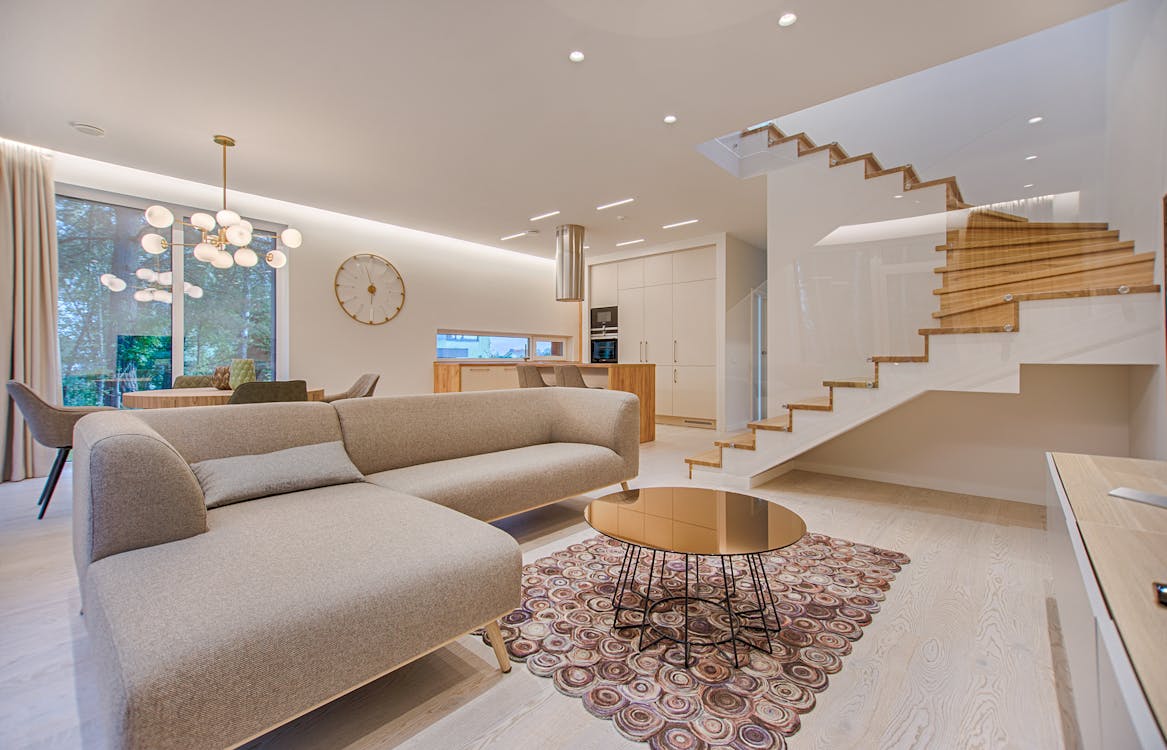
The term "marble dining table" covers a surprisingly broad spectrum of materials, and not all of them are quarried from an Italian mountainside. Understanding this distinction is the single most important thing a Singapore buyer can do before committing to a purchase.
Natural Marble
Natural marble — Carrara, Calacatta, Statuario, Emperador — is genuinely beautiful. Each slab is unique, with veining patterns that cannot be replicated. In the right setting, a natural marble dining table is a statement of authentic luxury. The trade-off is maintenance. Natural marble is porous, which means it can absorb spills, stain over time, and etch if exposed to acidic liquids like citrus juice or wine. In Singapore's high humidity, expansion and contraction can also cause stress over time if the slab is not properly sealed and supported.
For buyers who want natural marble, the practical advice is straightforward: invest in proper sealing on delivery, commit to regular re-sealing every 6–12 months, and use placemats and trivets as standard practice. If that level of maintenance suits your lifestyle, natural marble rewards you with unmatched character.
Sintered Stone and Engineered Marble
Sintered stone — produced by subjecting natural minerals to extreme heat and pressure — has become the preferred choice for Singapore's premium market over the last three years. Brands like Neolith, Dekton, and Lapitec produce slabs that are visually indistinguishable from natural marble, yet are virtually impervious to stains, scratches, acids, and heat. For a Singapore family that actually uses their dining table daily, sintered stone is often the more intelligent investment.
Engineered marble (also called cultured marble) sits between natural stone and sintered stone in terms of performance. It combines natural marble dust with resin binders, offering good aesthetics with moderate durability improvement over natural stone — but it does not match sintered stone's resistance profile.
How to Size a Marble Dining Table for Singapore Homes
Space is always the primary constraint in Singapore residential design, whether you're in a 4-room HDB flat in Tampines or a freehold terrace in Holland Village. The standard rule of thumb is to allow at least 90cm of clearance on all sides of the table for comfortable chair movement — and this is where many buyers go wrong by purchasing a table that looks right in a showroom but overwhelms their actual dining area.
For most HDB flats, a rectangular table of 1.2m–1.4m in length seats four to six diners comfortably without dominating the room. Round tables are particularly effective in compact square dining areas because they eliminate dead corner space and allow easier flow around the table — a growing trend for Singapore's newer BTO layouts. For spacious condominiums and landed properties, 1.6m–2.0m rectangular tables with seating for six to eight are the natural choice.
One often-overlooked dimension is table height. Standard dining tables sit at approximately 75–76cm, which pairs correctly with standard dining chairs at a seat height of 45–48cm. This proportion matters when mixing and matching marble tops with different base styles — a common approach in Singapore's furniture market.
Table Base Styles That Work in Singapore Interiors
The marble top gets the attention, but the base determines whether a table works in your specific interior. In 2026, Singapore interiors are trending strongly toward fluted pedestals in brushed brass or matte black, which complement marble's natural veining without competing with it. The single-pedestal design also frees up leg room — a meaningful advantage in tighter dining spaces.
Four-legged bases in powder-coated steel or solid oak remain perennial choices for HDB and condo dining rooms because they offer visual lightness while providing the practical stability that heavy marble tops require. Cross-base and trestle designs suit the increasingly popular industrial-luxe aesthetic seen in newer EC and private condo developments across Tengah, Buona Vista, and the Jurong Lake District area.
Where Does Radical Homes Sit in the Singapore Marble Dining Table Market?
Radical Homes offers a curated range of dining tables in Singapore that span natural marble, sintered stone, and engineered marble options — with bases ranging from brushed metal pedestals to solid wood four-leg frames. The focus is on mid-to-premium positioning: tables that look and feel genuinely luxurious without the stratospheric price tags typically associated with European imported furniture.
Brands like Castlery and Commune also offer marble dining tables in Singapore's market. Castlery tends toward a more mass-market price point with a broader but less curated selection, while Commune operates showrooms in Queenstown with a similar contemporary aesthetic. Both are well-regarded in the Singapore market. Note: Competitor mentions are for informational purposes only.
What sets Radical Homes apart is the combination of customisation options — including marble top selection, base finish, and table sizing — alongside direct-to-consumer pricing that cuts out the typical retail markup. The workshop in Yishun allows buyers to view materials and discuss specifications before committing.
Marble Dining Table Maintenance: The Singapore Reality
Singapore's climate presents specific challenges for natural stone. High humidity year-round creates conditions where unsealed marble can absorb moisture and develop micro-staining over time. The practical maintenance routine for a natural marble dining table in Singapore involves wiping spills immediately with a soft cloth, using a pH-neutral stone cleaner for regular cleaning, and applying a penetrating stone sealer every six to twelve months.
For sintered stone tables, the maintenance conversation is almost non-existent. A damp cloth handles virtually any spill or residue. This is why the material is increasingly specified by Singapore interior designers who understand that most homeowners want a beautiful table, not a maintenance project. According to the Housing & Development Board, Singaporean households spend an average of 7–9 years in their first flat — a timeframe that makes low-maintenance, durable furniture a genuinely sound investment.
Ready to find your perfect marble dining table?
Browse Radical Homes' curated collection — premium quality, Singapore-made designs, delivered to your door.
Shop Marble Dining Tables →Conclusion: Finding the Right Marble Dining Table in Singapore
A marble dining table is one of the most impactful furniture investments you can make for your Singapore home. The key is matching the right material to your lifestyle — natural marble for those who appreciate character and are willing to maintain it; sintered stone for those who want the look with practical durability. Size your table to your actual space, choose a base style that complements your interior, and invest in a piece built to last beyond the first renovation cycle.
Radical Homes' dining table collection brings together the full range of marble and stone options with the honest pricing and customisation that Singapore homeowners deserve. Visit radicalhomes.sg to explore the full range or contact the team to discuss your specific requirements.
Frequently Asked Questions
What is the best marble for a dining table in Singapore's humid climate?
Carrara and Calacatta marble are popular choices, but for Singapore's humidity, sintered stone or engineered marble offers better durability and resistance to moisture warping. Sealed natural marble works well if maintained regularly.
How much does a marble dining table cost in Singapore?
Prices range from SGD 800 for entry-level engineered marble to SGD 5,000+ for solid natural Calacatta or Emperador marble tables. Mid-range sintered stone options typically fall between SGD 1,200–2,500.
Is a marble dining table suitable for families with young children in Singapore?
Natural marble requires sealing and careful maintenance, which can be challenging with young children. Sintered stone or engineered marble tops offer the same visual appeal with far greater scratch, stain, and heat resistance — a better practical choice for family homes.
What size marble dining table do I need for a Singapore HDB flat?
For a standard HDB dining area, a 1.2m–1.4m rectangular or round table seats 4–6 comfortably. For open-plan condos or landed homes, 1.6m–2.0m tables work well for 6–8 diners.
How do I clean and maintain a marble dining table in Singapore?
Use a damp microfibre cloth with mild pH-neutral soap. Avoid acidic cleaners like vinegar or citrus-based products. Re-seal natural marble every 6–12 months. For sintered stone, simple wipe-down maintenance is sufficient.