

Room Divider Singapore: Create Private Zones in Open-Plan HDB and Condo Spaces
Singapore's residential landscape is shaped by open-plan living — BTO layouts with combined living and dining areas, condominiums with flowing spaces between kitchen and living zones, and work-from-home demands that have created the need for functional spatial separation without permanent walls. The room divider has become one of the most practical design tools available to Singapore homeowners, offering the ability to define distinct zones within a shared space without the cost, disruption, or HDB permit requirements of structural renovation. Choosing the right room divider in Singapore means understanding your space's specific needs — privacy, light control, aesthetic cohesion, or storage.
Quick Answer
- Best for HDB flats: Freestanding shelving units, folding screens, and rattan or timber slat panels — no drilling or permits required
- Living/dining separation: Open bookcase perpendicular to sofa line, or decorative screen — preserves light flow while defining zones
- Home office partition: Freestanding office partition panel or tall shelving unit — creates a dedicated work zone without renovation
- Best materials for Singapore: Solid oak/ash, natural rattan, powder-coated steel — avoid MDF in poorly ventilated spaces
- Price range: SGD 80–1,500+ depending on material, size, and design complexity
Beyond those parameters, the room divider category in Singapore's furniture market covers a genuinely wide range of functional and aesthetic approaches — from the purely decorative (a carved wooden screen that adds visual texture) to the highly functional (a double-sided shelving unit that organises both zones it separates). Getting this choice right requires thinking clearly about what your space actually needs.
Types of Room Dividers Available in Singapore
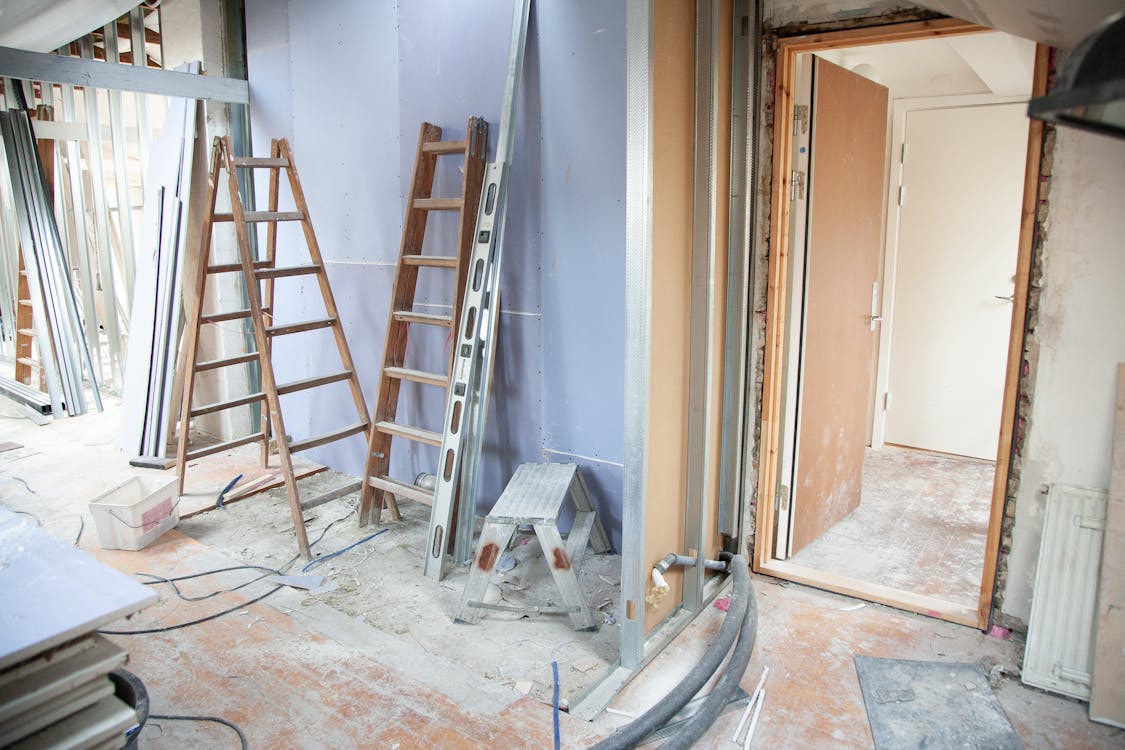
The Singapore room divider market divides into four broad categories, each with distinct functional and aesthetic profiles.
Folding Screens and Panels
The folding screen — a hinged multi-panel structure that folds flat for storage — is the most flexible room divider option for Singapore homes. Its key advantages are portability, no installation requirements, and the ability to reconfigure its shape and position as your spatial needs change. Folding screens in rattan, woven fabric, solid timber, or laser-cut metal are all available in Singapore's market and suit a range of interior aesthetics from Japandi to contemporary glam. The limitation is structural: folding screens are not load-bearing and offer visual rather than acoustic separation. For Singapore's compact spaces, this is usually sufficient.
Freestanding Shelving and Bookcase Dividers
A freestanding open shelving unit positioned perpendicular to the room axis is one of the most practical room divider strategies for Singapore's open-plan living spaces. It creates zone definition, provides display and storage on both sides, and allows light to pass through the shelving openings — preserving the visual openness that makes small Singapore spaces feel liveable. The configuration works especially well between living and study zones in HDB 4-room and 5-room flats where the common area functions as both social space and home office.
Rattan and Timber Slat Screens
Rattan and timber slat dividers — vertical arrangements of rattan cane or thin wood strips with deliberate gaps — have become one of Singapore's most consistent interior design motifs over the past three years. They allow light and air to pass through while creating a clear visual boundary, making them ideal for Singapore's climate where ventilation is important. The natural material quality also complements the Japandi and biophilic design trends that have defined Singapore interior design in 2024–2026.
Curtain and Fabric Dividers
Ceiling-track curtain dividers — floor-to-ceiling fabric panels on a ceiling-mounted track — offer the maximum privacy among non-structural room divider options. They are particularly effective in studio apartments and smaller condominiums where a bedroom alcove needs to be defined without a permanent wall. The installation requires ceiling drilling for the track mount, which is permissible in Singapore HDB and condo properties but should be performed by a professional to ensure proper anchor into the ceiling slab. Linen, velvet, and sheer fabric options suit different privacy and light-diffusion requirements.
How to Use a Room Divider in a Singapore HDB Flat
Singapore's HDB BTO layouts typically feature a combined living and dining area of 25–35sqm — a space that benefits significantly from thoughtful zone definition. The most common application is creating a visual boundary between the living (sofa, entertainment) zone and the dining (table, chairs) zone. A freestanding shelving unit of 120–150cm height placed perpendicular to the sofa's rear creates this separation while remaining low enough not to interrupt sightlines across the entire open-plan area.
For the growing number of Singapore residents working from home, creating a dedicated home office corner within the master bedroom or secondary bedroom has become a priority. A compact folding screen or bookcase divider of 160–180cm height creates sufficient visual separation to provide the psychological boundary between work and rest that remote workers require. This matters considerably for productivity and sleep quality.
Radical Homes' home decoration and accent collection includes decorative screens and divider accessories that complement Singapore's interior design trends. For information on permissible interior modifications in HDB flats, HDB Singapore's renovation guidelines clarify what freestanding and non-structural installations require (or don't require) in terms of approvals.
How Room Divider Brands Compare in Singapore
IKEA remains a dominant force in Singapore's room divider market through its KALLAX and BILLY shelving ranges, which are commonly repurposed as zone-defining dividers due to their flexible configurations and accessible price points. Castlery and a number of Shopee-sourced suppliers offer more design-forward rattan and timber screen options. Radical Homes curates room divider alternatives focused on material quality and distinctive design — pieces that make a spatial statement rather than simply filling a functional need. Note: Competitor mentions are for informational purposes only.
How to Choose the Right Room Divider: Create Private Zones in Open-Plan HDB and Condo Spaces for Your Singapore Home
Selecting the perfect room divider: create private zones in open-plan hdb and condo spaces requires balancing several factors unique to Singapore's living conditions. With HDB flats averaging 90–110 square metres for a 4-room flat, and condos ranging from compact 50sqm studios to spacious 200sqm penthouses, size appropriateness is the first consideration. Measure your space carefully — not just the floor area, but ceiling height, door widths (especially important for larger furniture), and the overall flow of traffic through the room.
Material selection is equally critical in Singapore's tropical climate. Our year-round humidity of 70–80% and temperatures of 25–35°C can accelerate the deterioration of lesser materials. Natural wood species like teak and rubber wood have long been trusted in Southeast Asian furniture-making for good reason — they possess inherent oils and grain structures that resist moisture penetration. For metal components, powder-coated finishes far outperform bare metal in resisting the surface oxidation that Singapore's humidity accelerates.
What to Look for When Shopping for Room Divider: Create Private Zones in Open-Plan HDB and Condo Spaces in Singapore
Singapore's furniture market has expanded significantly over the past decade, with options spanning global fast-furniture brands, mid-market lifestyle retailers, and premium boutique importers. Understanding what differentiates quality from appearance is essential for making a lasting purchase.
Construction quality is the most reliable indicator of longevity. Examine joinery methods — dovetail joints in drawers, mortise-and-tenon connections in frames, and corner blocks in upholstered pieces indicate genuine craftsmanship. Avoid furniture where the primary structural connection is staples, dowels alone, or cam locks, which are common in flat-pack furniture and have limited structural longevity.
Warranty terms are a reliable proxy for manufacturer confidence. Reputable Singapore furniture retailers typically offer 12–24 month warranties on frames and mechanical components. Extended warranties of 3–5 years on structural components signal higher build confidence. Always read the warranty exclusions — humidity-related issues are sometimes excluded in the fine print, which matters greatly in Singapore's climate.
What is the Best Way to Care for Room Divider: Create Private Zones in Open-Plan HDB and Condo Spaces in Singapore?
Proper maintenance extends the life of any furniture significantly in Singapore's demanding climate. Establish a regular cleaning routine suited to your specific piece. For wood surfaces, a slightly damp microfibre cloth followed by a dry wipe removes dust without introducing excess moisture. Apply appropriate wood conditioner or oil every 6–12 months to maintain the wood's natural moisture balance and prevent cracking or splitting.
Upholstered pieces benefit from regular vacuuming with an upholstery attachment to remove dust and allergens — particularly important in Singapore where air conditioning recirculates indoor air. Rotate and flip cushions if removable to ensure even wear. For fabric-upholstered pieces, a fabric protector spray applied annually creates an invisible barrier against spills and staining.
How Do I Make the Most of a Small Singapore HDB Space?
Singapore's housing landscape — particularly HDB flats — rewards thoughtful, intentional furniture choices. The principle of "purposeful density" applies: every piece should serve at least one clear function, and ideally two. Multi-functional furniture — storage ottomans, extendable dining tables, sofa beds, bed frames with under-bed storage — are not compromises in Singapore; they are strategic choices that allow you to live fully within a compact footprint.
Visual weight matters as much as physical dimensions. Furniture with raised legs appears lighter than pieces that sit directly on the floor. Glass, acrylic, and open-frame designs allow sightlines to travel through and beyond, creating a sense of spaciousness that solid, boxy designs cannot. Light colours and reflective surfaces amplify natural light — precious in HDB flats with north-facing windows or limited direct sunlight.
Conclusion: Choosing Your Singapore Room Divider
The right room divider transforms Singapore's open-plan living challenge into a design opportunity. Define your zones clearly — living vs dining, work vs rest, private vs social — and choose a divider type that serves that specific boundary while contributing positively to your interior's visual character. Material quality matters in Singapore's humidity: invest in solid wood, rattan, or powder-coated steel over MDF for pieces that will remain in place for more than a year or two.
Browse Radical Homes' full collection at radicalhomes.sg for decorative screens, accent dividers, and home organisation pieces suited to Singapore's open-plan living. Visit radicalhomes.sg to explore the complete range.
Frequently Asked Questions
What type of room divider works best for a Singapore HDB flat?
For Singapore HDB flats, freestanding shelving units, folding screens, and rattan or wooden panel dividers work well because they require no drilling or structural modifications. Bookshelf-style dividers double as storage, which is valuable in compact HDB spaces.
How do I divide a living room and dining area in a Singapore open-plan flat?
A freestanding shelving unit or open bookcase placed perpendicular to the sofa line creates a visual separation between living and dining zones without blocking light. A rattan or timber slat screen achieves the same zone definition with a more decorative approach. Area rugs beneath each zone also reinforce the spatial separation.
Can I create a home office partition in my Singapore condo without renovation?
Yes. A freestanding room divider — either a folding screen, a tall open shelving unit, or a dedicated office partition panel — can define a dedicated work zone in a condo bedroom or living room without any structural work or landlord approval. This is particularly relevant for Singapore's growing work-from-home population.
What materials are best for room dividers in Singapore?
Solid wood (oak, ash, teak), natural rattan, and powder-coated steel are the most durable and humidity-appropriate materials for Singapore room dividers. MDF and particleboard dividers can absorb humidity over time, particularly in poorly ventilated spaces.
How much does a room divider cost in Singapore?
Room dividers in Singapore range from SGD 80 for basic folding fabric screens to SGD 1,500+ for premium solid wood or custom-crafted rattan panel designs. Mid-range quality freestanding shelving dividers typically fall between SGD 300–800.