

Sideboard Singapore: How to Choose & Style the Perfect Piece (2026)
Sideboard Singapore: How to Choose the Right One for Your Home
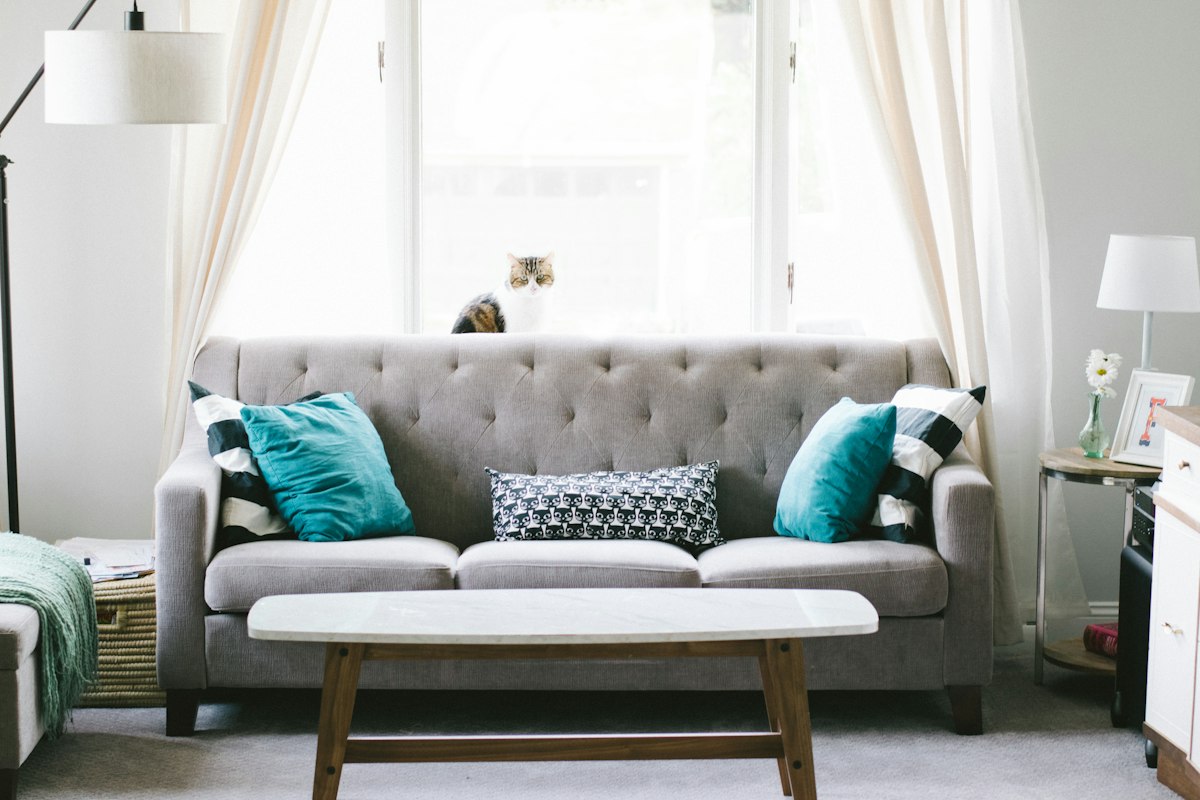
A sideboard is one of the most hardworking pieces of furniture you can add to a Singapore home — it solves storage, anchors a dining room, and elevates the look of any space it inhabits. Whether you live in an HDB flat, a condo, or a landed property, the right sideboard transforms a bare wall into a considered design statement. This guide walks you through everything you need to know before you buy.
Quick Answer: What to know about buying a sideboard in Singapore
- A sideboard typically sits 85–95 cm tall and 120–180 cm wide — ideal for most Singapore dining rooms and living rooms
- Solid wood (oak, walnut, teak) performs best in Singapore's humidity; always check for proper sealing and joinery
- Standard HDB dining rooms are roughly 3 m × 3 m — a 120–140 cm sideboard fits comfortably without overwhelming the space
- Sideboards differ from buffets, credenzas, and console tables in height, depth, and function — the distinctions matter when sizing for your room
- Custom-made sideboards in Singapore average between SGD 1,800–5,000 for solid hardwood pieces
Stat: Singapore's furniture retail market is projected to exceed SGD 1.3 billion by 2027, with dining and storage furniture among the fastest-growing categories (Statista, 2024).
Most homeowners discover the sideboard's potential only after they've already exhausted every other storage solution. Once you see how well a beautifully crafted sideboard ties together a dining room — providing surface space, concealed storage, and a genuine focal point all at once — you'll wonder how you managed without one. The harder question isn't whether to get one; it's knowing exactly which one to get.
What Is a Sideboard? (And How It Differs from a Buffet, Credenza, and Console Table)
The terms sideboard, buffet, credenza, and console table are often used interchangeably in furniture retail, but they are distinct pieces with different origins, proportions, and intended uses. Understanding the difference saves you from buying something that looks right in a showroom but functions poorly in your actual home.
A sideboard is a low, long cabinet — typically 85–95 cm tall — designed to sit against a dining room wall. It originated in 18th-century English design as a serving surface for formal dinners, with enclosed storage below for tableware, linens, and bottles. Its defining characteristic is a balance between surface depth (usually 40–50 cm) and storage volume. It is, above all, a functional dining room piece.
A buffet is the French cousin of the sideboard. The two terms are so closely related that in practice they are interchangeable, though a buffet is traditionally slightly taller and may have an upper hutch or open shelving above the cabinet body. In Singapore's furniture market, "buffet cabinet" and "sideboard" often describe the same product.
A credenza has Italian origins and is typically lower (70–80 cm), longer, and with sliding or flush doors rather than hinged ones. It migrated from the dining room to the office during the mid-20th century and is now as likely to be found behind a desk as behind a dining table. If you're looking for a media console or office storage piece, a credenza is the more appropriate category.
A console table is an entirely different animal. It is narrow (20–35 cm deep), often leggy, and designed to stand against a wall in an entryway or hallway. It has minimal or no storage and is primarily a display surface. Its shallow depth makes it unsuitable as a dining sideboard, though it can work in an entryway where a sideboard would be too imposing.
| Piece | Typical Height | Typical Depth | Primary Use | Storage |
|---|---|---|---|---|
| Sideboard | 85–95 cm | 40–50 cm | Dining room serving & storage | High — cabinets, drawers |
| Buffet | 90–100 cm | 40–50 cm | Dining room, entertaining | High — often with upper hutch |
| Credenza | 70–80 cm | 40–50 cm | Office or living room | High — sliding or flush doors |
| Console Table | 75–85 cm | 20–35 cm | Entryway, hallway display | Low to none |
Sizing a Sideboard for Singapore Homes
Getting the proportions right is the single most important decision when buying a sideboard for a Singapore home. Our flats and condos are not built to European or American scale, and a piece that looks understated in a showroom can overpower a compact HDB dining area.
HDB Dining Room Dimensions
A standard HDB 4-room flat dining area is typically 3.0–3.3 metres wide, often shared with an open-plan living space. A 5-room flat affords slightly more room — around 3.5 metres across. In both cases, the practical rule of thumb is to keep your sideboard to no more than half the width of the wall it occupies, leaving breathing room on either side and ensuring it doesn't block natural movement through the room.
For most HDB dining rooms, a sideboard in the 120–150 cm range hits the sweet spot. It provides substantial storage without dominating the wall. If your wall runs longer and you have a dedicated dining room in a larger condo or landed home, pieces up to 180 cm work beautifully — particularly when styled with considered objects on the surface to carry the visual weight.
Height and Depth Considerations
In lower-ceilinged Singapore apartments (typically 2.6–2.8 m floor-to-ceiling), a sideboard at 90–95 cm reads as grounded and proportional. Go taller and you risk a closed-in feeling. Depth of 40–45 cm is sufficient for most uses — deep enough to store tableware stacks and bottles standing upright, shallow enough not to eat into floor space in tighter rooms.
Sideboard Styles: Choosing the Right Design for Your Interior
Singapore's design landscape has shifted decisively over the last decade. The era of dark cherry-stained wood and ornate hardware is behind us. What dominates today — particularly in the premium custom furniture segment — are cleaner, more restrained aesthetics that reference Scandinavian, Japanese, and mid-century modernist traditions.
Solid Wood Sideboards
Solid hardwood remains the gold standard for sideboard construction. An oak sideboard or walnut sideboard carries a warmth and material honesty that no veneer or engineered wood can replicate. In Singapore's humidity, however, material selection and finishing matter enormously. Properly dried and sealed solid timber — particularly species like teak, American walnut, and European oak — performs well across our climate, expanding and contracting naturally without warping or cracking. What you want to avoid is poorly dried timber or inadequate joinery, both of which manifest as split panels and sticking drawers within 12–18 months of purchase.
At Radical Homes, our solid wood pieces are crafted from sustainably sourced hardwoods with humidity-appropriate joinery and oil or lacquer finishes that protect without masking the natural grain. Explore our cabinet and storage collection to see current pieces available for custom sizing.
Rattan Sideboards
Rattan front panels — either woven or in a cane webbing pattern — add texture and visual lightness to what might otherwise be a flat, box-like silhouette. A rattan sideboard works particularly well in homes with a natural materials palette: linen, jute, ceramic, and raw timber. The material also breathes, which is a practical advantage in humid Singapore kitchens or dining rooms where moisture can accumulate behind closed cabinet doors.
Marble-Top Sideboards
A marble-top sideboard positions itself firmly in the luxury tier. The juxtaposition of a cold, veined stone surface against a warm timber base is a classic combination in contemporary Singapore interior design. In functional terms, marble is ideal as a serving surface — resistant to heat and easy to clean. The trade-off is weight (marble adds significant mass to an already substantial piece) and cost. For a more accessible alternative, sintered stone or porcelain-top sideboards offer similar aesthetics at a lower price and weight point.
Mid-Century Modern Sideboards
The tapered leg, low-slung silhouette of a mid-century modern sideboard remains enormously popular for a reason: it reads as timeless rather than trendy and suits almost any interior style from minimalist to eclectic. The raised leg design also creates visual lightness, making these pieces feel appropriate even in smaller Singapore rooms where a heavy, floor-hugging cabinet might feel oppressive.
Japandi Sideboards
Japandi — the fusion of Japanese wabi-sabi sensibility with Scandinavian minimalism — has become the dominant design language in Singapore's premium residential market. A Japandi sideboard is characterised by clean lines, restrained hardware (or none at all — push-to-open mechanisms are common), natural wood tones, and a quiet confidence that requires no ornamentation. If you're uncertain which style to choose, a well-made Japandi sideboard is rarely the wrong answer for a Singapore home.
What to Use a Sideboard For
A sideboard earns its place by being genuinely useful, not merely decorative. In a Singapore context, where every square metre counts, the most well-designed pieces serve multiple functions simultaneously.
In the dining room, a sideboard holds everything you need for the table but don't want on the table: extra crockery, serving platters, placemats and napkins, wine and spirits, a bread basket, chopstick holders, and condiment sets. The surface becomes a buffet station during dinner parties — dishes travel from kitchen to sideboard before being brought to the table.
In the living room, a sideboard serves as a media console alternative with more storage elegance — housing cables, routers, controllers, and other visual clutter behind closed doors while the surface holds a curated selection of objects: a lamp, books, a sculptural vase, framed art.
In an entryway, a sideboard (or its narrower cousin, the console) creates an immediate design statement upon entry, with practical use for keys, mail, and a mirror above. In larger Singapore condos with a proper foyer, a 120 cm sideboard at the entry is both practical and impressive.
In a home office, a sideboard along the back wall behind a desk provides document storage, equipment housing, and a surface for reference materials — far more elegant than a standard filing cabinet.
Materials & Singapore's Humidity: What You Need to Know
Singapore sits at roughly 80–85% average relative humidity. This is not a hostile environment for wood — our ancestors built entire cities in teak and timber — but it does demand respect in material selection and finishing. The critical factors are species, moisture content at the time of manufacture, kiln-drying standards, and surface treatment.
Oak is stable, hard, and takes finishes well. Its open grain can absorb moisture if left untreated, so oil or lacquer finishing is essential in Singapore. Walnut is denser and slightly more naturally resistant to movement, with a rich, dark tone that deepens beautifully over time. Teak is the traditional choice for tropical climates — its natural oils make it one of the most humidity-resistant hardwoods available, though well-sourced teak is increasingly expensive. Rattan and cane are naturally adapted to tropical environments and require little maintenance beyond occasional dusting and keeping out of direct aircon drafts, which can dry and crack fibres over time.
What to avoid: MDF-core furniture with thin veneer surfaces, which can swell, bubble, and delaminate in humid Singapore conditions. Particle board is similarly problematic long-term. For a piece you intend to keep for a decade or more, solid wood or plywood-core construction is the only sensible choice.
How to Style the Top of Your Sideboard
The surface of a sideboard is one of the most visible horizontal planes in a dining room — it deserves as much attention as the piece itself. The cardinal rule is restraint: three to five considered objects, not ten competing ones. A lamp (ideally table height, 50–60 cm) anchors the composition and provides warm ambient light. A vase with seasonal stems or dried grasses adds organic life. A stack of coffee table books introduces colour and culture. A ceramic or sculptural object provides tactile interest. Leave the rest of the surface clear — the negative space is as important as the objects.
Artwork hung above the sideboard — whether a single large canvas or a small curated gallery wall — completes the vignette and draws the eye upward, making the most of Singapore apartments' limited wall real estate.
Considering Other Sideboard Options in Singapore
Singapore's furniture market offers sideboard options across a wide price spectrum. Mass-market retailers like FortyTwo and Castlery carry accessible sideboards at competitive price points, typically in engineered wood with wood-effect veneers or lacquer finishes. Urban Mood sits a tier above, with a more design-forward selection and some solid wood options. These are all legitimate choices depending on budget and requirement. The distinction with a custom or premium handcrafted piece — like those produced by Radical Homes — lies in material quality, structural longevity, and the ability to specify exact dimensions, finishes, and hardware to suit your home. For a piece that will be in daily use for ten or more years, the cost-per-year calculus often favours investing in quality from the outset.
Disclaimer: Urban Mood, FortyTwo, and Castlery are independent brands. Radical Homes has no affiliation with these companies. Comparative references are included for informational purposes only.
Find Your Sideboard at Radical Homes
A sideboard done right is not a purchase — it's an investment in the daily quality of your home. It holds your life's practical objects while giving your dining room or living space a sense of considered intention that no amount of decoration alone can achieve. The right piece, in the right timber, at the right scale for your room, will still be earning its place twenty years from now.
At Radical Homes, every sideboard is designed and crafted to last. We work in solid hardwood, with customisable dimensions, finishes, and hardware — so the piece fits your home, not the other way round. Browse our dining collection and cabinet range, or get in touch to discuss a custom commission. We serve homeowners across Singapore, including HDB, condo, and landed property projects.
Frequently Asked Questions
What size sideboard should I get for a standard HDB dining room in Singapore?
For a standard HDB 4-room flat dining area — typically around 3.0–3.3 metres wide — a sideboard between 120 cm and 150 cm wide is ideal. This leaves comfortable clearance on either side and doesn't block movement through the space. In a 5-room flat or condo with a dedicated dining room, you can comfortably go up to 160–180 cm. Always measure your wall before purchasing, and leave at least 40–50 cm of clearance from adjacent walls or doorways.
What is the difference between a sideboard, a buffet, and a console table — and which one do I actually need for my Singapore home?
A sideboard and a buffet are functionally almost identical — both are low, long dining room cabinets with enclosed storage. A buffet sometimes has an upper hutch section. A console table is much shallower (20–35 cm) and is designed for entryways or hallways with minimal storage. If you need dining room storage with a substantial surface for serving or display, you want a sideboard or buffet. If you need a narrow piece for your entrance, a console table is the right choice. A credenza is a lower, longer variant better suited to living rooms or home offices.
Is solid wood furniture a good choice for Singapore's humidity, and which wood species holds up best?
Yes — properly dried and finished solid wood performs very well in Singapore's humidity, often outlasting engineered wood alternatives by decades. The best-performing species for our climate are teak (naturally oil-rich and highly resistant to moisture movement), American walnut (dense and stable), and European oak (hard-wearing and takes protective finishes well). The key factors are moisture content at manufacture (properly kiln-dried timber is essential), quality joinery (floating panels that allow for natural movement), and a sealed surface finish. Avoid thin veneer over MDF or particle board, which can swell and delaminate in humid conditions.
Where can I buy a high-quality custom sideboard in Singapore for my condo or HDB flat?
For a custom-made solid wood sideboard in Singapore, Radical Homes (radicalhomes.sg) offers bespoke hardwood pieces with customisable dimensions, finishes, and hardware to suit HDB, condo, and landed home specifications. For more accessible price points, Castlery and FortyTwo carry a range of ready-made sideboards in various styles. For a mid-tier design-forward option, Urban Mood carries selected solid wood and engineered wood pieces. If you need exact sizing for an awkward wall or a specific timber and finish combination, a custom commission from a specialist maker is typically the most cost-effective long-term solution.
What should I put on top of a sideboard in my dining room to make it look styled and intentional?
The most effective sideboard styling formula uses three to five objects with varied heights and textures. Start with a lamp (a table lamp at around 50–60 cm creates warm ambient light and anchors the composition). Add a vase with dried grasses, seasonal stems, or sculptural branches. Include a small stack of oversized books for colour and depth. Finish with one tactile object — a ceramic bowl, a stone sculpture, or a wooden tray holding smaller items. Leave the rest of the surface clear. Hanging artwork directly above the sideboard, sized to complement the width of the piece, ties the entire vignette together and draws the eye up the wall.